How Islington Council parking rules affect removals and permits
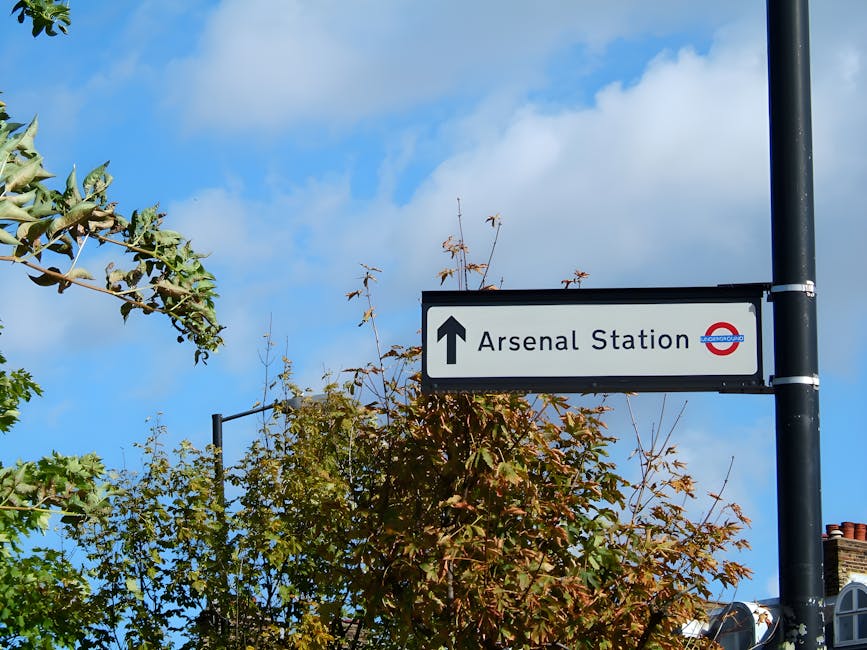
If you are moving in Islington, parking can make or break the day. The van may be ready, the boxes may be packed, and the crew may be on time - but one missing parking permit, one suspended bay, or one awkward narrow street can throw the whole schedule off. That is exactly why understanding how Islington Council parking rules affect removals and permits matters so much. In a borough with busy roads, controlled parking zones, and plenty of permit-controlled streets, the difference between a smooth move and a stressful one is often planning, not muscle.
This guide breaks down what the rules usually mean in practice, how they influence house removals, flat moves, office relocations and man-and-van jobs, and what you can do to stay compliant without turning moving day into a headache. Let's face it, no one wants to be arguing with a loading bay sign at 8:15 on a wet Tuesday morning.
Why Islington parking rules matter for removals
Parking rules shape almost every practical part of a removal in Islington. If a vehicle cannot stop close enough to the property, the team has to carry items farther. That sounds small, but over the course of a move it adds time, effort and risk. A long carry can slow everything down, especially with wardrobes, fridges, sofas, or office equipment. And if the vehicle is parked in the wrong place, the result may be a parking ticket, a complaint from a neighbour, or a request to move just when the heavy lifting starts.
Islington is particularly sensitive because many streets are residential, narrow, and heavily managed. Some locations are controlled by permit schemes, some have loading restrictions, and some require careful timing around rush hour, school traffic or suspended bays. In practical terms, removals teams often need to work around all of that, not through it.
For homeowners and renters, this affects more than convenience. It affects whether the removal can be completed on schedule. For businesses, it can also affect access to the building, staff disruption, and whether the move happens in one push or turns into a stop-start day with repeated trips. Truth be told, parking is one of those boring details that becomes very interesting very quickly if it goes wrong.
Expert summary: In Islington, removals usually go best when parking is planned as carefully as packing. A permit, loading arrangement or parking space close to the property can save time, reduce lifting distance, and lower the chance of avoidable problems.
If you are arranging a move with professional help, it also makes sense to look at the broader service setup. Local support such as local removals, man and van, or full removals can be more efficient when parking is sorted early. That is not just admin. It changes the whole day.
How Islington Council parking rules affect removals and permits works
The basic idea is simple: if your removal vehicle needs to stop on a public road, it must do so in line with the parking restrictions that apply at that location and time. In Islington, that may mean using a pay-and-display bay, a loading bay, a permit bay, or finding a legal place to unload without blocking traffic. Some streets allow short loading periods, while others are stricter or time-limited. Some areas also have suspended bays or suspended parking spaces, which can change the available options on short notice.
For removals, there are usually three practical layers to think about:
- The street restrictions - what is allowed on that road, during those hours, for that type of vehicle.
- The property access - whether the van can get close enough to the front door, courtyard, lift entrance, or loading point.
- The booking plan - whether the move is timed to avoid the busiest periods or awkward overlaps with other traffic.
In many cases, the council's parking rules affect the move before the van even arrives. A removal booked for a busy weekday morning can be harder to manage than the same move later in the day or on a quieter date. Likewise, a top-floor flat without parking nearby can add a lot of carrying time. That is why experienced movers ask about permits, bay sizes, access gates, lifts, and street width long before moving day.
There is also a difference between a removal vehicle and a normal household car. A larger van may need more space, and some roads simply do not tolerate oversized vehicles sitting half-in, half-out of a bay. On a practical level, the driver may need to plan a legal stopping point, then the crew may use trolleys, dollies, or repeated short carries. The plan needs to fit the street, not the other way around.
If your move includes boxed items, fragile furniture, or a lot of stairs, pairing the parking plan with proper packing support can make a big difference. Services like packing services can reduce the time spent on the pavement, which is helpful when the clock is ticking and the bay is not generous.
Key benefits of planning parking properly
Good parking planning is not glamorous, but it pays off in several ways. First, it helps the move stay legal and avoids preventable fines. Second, it reduces physical strain because the team spends less time carrying items up and down the street. Third, it makes the whole operation calmer. And calm matters on moving day more than people expect.
- Faster loading and unloading: A vehicle parked close to the entrance cuts down on walking time and hand-carry distance.
- Lower risk of damage: Fewer long carries usually mean fewer knocks, scrapes and accidental drops.
- Less stress for neighbours and building managers: A well-managed move is less likely to block entrances or cause friction.
- Better crew efficiency: Removal teams can work in a more organised rhythm when the vehicle is legally positioned.
- Greater schedule control: You are less likely to lose time to parking searches or last-minute changes.
There is also a hidden benefit: it helps you choose the right service. If parking is tight, a smaller vehicle or a different moving method may be a better fit. For example, some jobs are better suited to small removals or a compact van rather than a large truck. That is not a downgrade. It is just the smarter tool for the street.
And if the property is tricky - say a flat on an upper floor, with no nearby legal stop and a building that frowns on blocking the entrance for even two minutes - then it may be worth combining removals with storage. Options like short-term storage or mobile self storage can give you breathing room if the move has to happen in stages. Handy, really.
Who this is for and when it makes sense
These parking rules matter to almost anyone moving within or into Islington, but some groups feel the impact more sharply than others.
Home movers
For house moves, parking is often the difference between a one-day move and a long, tiring day. A narrow street or terrace row may mean the vehicle cannot sit directly outside the door. If you are moving a whole household, that extra distance becomes very noticeable by midday.
People using house removals services usually benefit from an early parking check because family furniture, appliances and boxes can quickly fill the available working time. The same applies to flat removals, where stairs, lifts and shared entrances add another layer of timing pressure.
Students and renters
Students moving in and out of shared housing often underestimate parking entirely. The move may seem simple: a few bags, a desk, a mattress, maybe a bike. But if the building is on a permit-only street or there is nowhere to stop, even a small move can become awkward. Student storage can be especially useful when term-time timing clashes with parking restrictions or end-of-lease deadlines.
Businesses and offices
Office moves are usually more time-sensitive. Staff need access, desks and IT gear need careful handling, and the building may have service entrances or loading windows that must be respected. If parking is not sorted, the move can disrupt the whole working day. Services such as office removals and office storage are often better planned with a strict access schedule.
People with larger or unusually heavy items
If you are moving sofas, wardrobes, filing cabinets or specialist equipment, parking close by matters even more. The longer the carry, the more likely you are to need a second pair of hands. A simple stop outside the property can save a surprising amount of effort.
Step-by-step guidance for a smoother move
Here is the practical sequence I would use if I were planning a move in Islington. It is not fancy, but it works.
- Check the street conditions early. Look at the exact property location and identify whether the road is permit-controlled, timed, or loading-restricted. Do not assume the next street is the same. Often it is not.
- Measure access properly. Note whether there is a curb space, a bay, a courtyard, a lift, or a narrow entrance. A few metres can change the whole plan.
- Decide what size vehicle is realistic. Bigger is not always better. In a tight Islington street, a smaller van may be easier to place legally and more efficient overall.
- Ask about permits or parking arrangements early. If a permit is required, leave time to sort it. If the move will use a loading bay, make sure the window fits your schedule.
- Build a buffer into the timetable. Give yourself breathing room for traffic, building access, and the inevitable moment when somebody cannot find the lift key. It happens.
- Pack with the parking plan in mind. Keep the essentials close to hand so the first load includes the most time-sensitive items. This is where packing services can really help.
- Confirm the plan the day before. Recheck access notes, arrival time, contact numbers and any special instructions from the building or council side.
A lot of problems disappear once you ask one good question: Where exactly is the vehicle going to stop? That one line has saved more than a few moves from going sideways.
Expert tips for better results
Over time, a few patterns stand out. The smoothest removals are rarely the ones with the fanciest equipment. They are the ones with the least confusion.
- Use the smallest vehicle that still fits the job. In restricted streets, manoeuvrability can matter more than capacity.
- Prioritise the first load. Put the most important or fragile items nearest the exit so they can move quickly if the parking window is short.
- Keep building access simple. If possible, clear hallways, reserve lifts, and let neighbours know the approximate time window.
- Have one person manage access. If a permit, gate code or building contact is needed, one named person should handle it. Too many cooks, and all that.
- Plan for weather as well as parking. A rainy day in London makes a short carry feel longer. Gloves, covers and a sensible route matter more than people expect.
- Consider staging the move. If parking is extremely tight, using secure storage or household storage can break the job into manageable parts.
One useful habit: take a quick photo of the street, the bay signage, and the building entrance the day before. Nothing dramatic, just a phone picture. It can save a lot of "hang on, was that bay still available?" confusion later.
Common mistakes to avoid
Most parking-related moving problems are avoidable. The trouble is, they often feel small until they are not.
- Assuming the street is fine without checking. A road may look available but still be restricted during your moving window.
- Leaving permit planning to the last minute. Even if a permit is possible, you need time to organise it properly.
- Booking the wrong vehicle size. A van that is too large for the location can create more problems than it solves.
- Forgetting about neighbours, bins and delivery traffic. These are real-world obstacles, not just background noise.
- Not telling the removal team about tight access. A crew arriving unprepared wastes time and energy.
- Ignoring the building rules. Some flats and offices have separate instructions on loading, lifts and entry routes.
- Trying to move everything in one push when parking is uncertain. Sometimes two shorter loads are safer than one rushed, overstretched attempt.
A small slip-up can snowball. A van parked half a street away turns into extra walking, extra time, and a more tired team by the end of the day. Not ideal. Not at all.
Tools, resources and recommendations
You do not need a complicated toolkit to manage parking and removals well. You just need the right information, shared early and clearly.
Useful practical tools
- Street photos: Take pictures of the front of the property, the road width, and any signs.
- Simple access notes: Write down entry codes, lift access, bay restrictions, and contact names.
- Measured item list: Keep a rough list of bulky furniture so you know whether a smaller or larger van is more sensible.
- Moving checklist: A written list helps keep permits, keys and parking details in one place.
Services that can help
If you need a bit more support, especially for tight streets or complex access, it may be worth looking at man and van for smaller jobs, small removals for compact moves, or house removals for full-property relocations. For businesses, office storage can be useful if the timing of the move and the parking window do not line up neatly.
When you want a clear idea of costs and planning options, pricing and quotes is the sort of place people usually check early. And if you want to understand how the company works before booking, the about us page is useful for context. For practical reassurance around handling and liability, the insurance and safety information is also worth a read.
Law, compliance and best practice
Parking and removals in Islington sit inside a wider framework of council rules, highway regulations, and ordinary road safety expectations. You do not need to become a legal specialist to move house, but you do need to respect the basic principle: if a space is restricted, treat it as restricted. That includes permit bays, loading restrictions, yellow lines, suspended spaces and any building-specific controls.
In the UK, moving vehicles should not obstruct the highway or create avoidable danger. Removal teams are also expected to work safely around pedestrians, entrances and traffic flow. Best practice means planning the job so that the loading point is legal, the crew can work safely, and the building remains accessible. Simple enough in theory. A bit fiddly in practice, but manageable.
It is also wise to remember that local rules can change. Temporary works, events, roadworks or special suspensions can affect parking availability. That is why checking conditions close to the moving date is always better than relying on memory from a past visit. Parking rules are not a "set and forget" thing. Streets evolve, and sometimes quickly.
From an operator's point of view, best practice is to explain access limitations clearly, use the right vehicle, and avoid overpromising that parking will be easy. Good moving companies tend to be realistic. That honesty is worth a lot on a crowded London street.
Options and comparison table
Different removal approaches suit different parking situations. Here is a simple comparison to help you think it through.
| Option | Best for | Parking impact | Main advantage |
|---|---|---|---|
| Full removals crew | Whole-house or whole-office moves | Needs clear, legal stopping space nearby | Fastest handling of larger loads |
| Man and van | Smaller or more flexible moves | More adaptable in tight streets | Better for short, focused jobs |
| Small removals | Compact flats, student moves, partial moves | Easier to fit into restricted parking | Lower access pressure |
| Storage plus staged move | When access or timing is awkward | Reduces urgency on the day itself | Gives you breathing room |
There is no one perfect answer. If parking is easy, a full team may be the quickest route. If parking is tight, a smaller vehicle or a staged move may actually be the smarter, less stressful option. The best choice is the one that matches the street, not just the moving inventory.
For people juggling a delayed completion, a renovation, or a gap between move-out and move-in, long-term storage or furniture storage can make the parking issue less urgent. Sometimes a little space buys a lot of calm.
Real-world example
Picture a second-floor flat on a busy Islington road on a weekday morning. The resident has a sofa, a bed frame, several boxes, and a tight move-out deadline. The road has limited stopping space, nearby bins, and more than one delivery van already circling. If the van arrives without a plan, the crew may spend precious minutes trying to find somewhere legal to stop. By the time the first box is out, everyone is already behind.
Now imagine the same move planned properly. The vehicle size is chosen for the street. The team has been told about the narrow entrance and the lack of close parking. Boxes are packed with priority items near the door. A short loading window is identified in advance, and the resident knows exactly where to meet the crew. The move is still a bit physical - of course it is - but the rhythm is better, the day feels more controlled, and the chances of a parking dispute are much lower.
That is the real difference Islington parking rules make. They do not stop the move. They shape how the move has to happen.
Practical checklist
Use this checklist before moving day. It is simple, but it catches a lot of the usual problems.
- Confirm the exact moving address and entrance point.
- Check whether the street has permit controls, loading limits or bay restrictions.
- Identify the best legal stopping position for the van.
- Ask whether a larger or smaller vehicle is more appropriate.
- Share access details with the removal team in advance.
- Plan for lift access, stairs, or long carries.
- Pack priority items so they are easy to load first.
- Allow extra time for traffic, weather and building access.
- Consider storage if the timing or parking window is awkward.
- Reconfirm the plan the day before the move.
If you tick off those points, you are already ahead of most people. Honestly, that small bit of prep can save a full morning of faff.
Conclusion
So, how do Islington Council parking rules affect removals and permits? In the simplest sense, they determine where the vehicle can stop, how close it can get to the property, and how quickly the crew can work. In a more practical sense, they affect the whole shape of the move: vehicle choice, timing, labour, stress levels, and whether the day feels controlled or chaotic.
The good news is that these challenges are manageable. If you check the street restrictions early, match the vehicle to the location, and plan your loading and parking properly, the move becomes much easier. For homes, flats, offices and smaller jobs alike, a little parking planning goes a long way.
And if your move feels awkward because of access, timing or storage gaps, that is normal. Plenty of London moves need a bit of adjustment. You are not behind - you are just dealing with a real city, with real streets, and all the lively little complications that come with them.
Get a free quote today and see how much you can save.
Frequently Asked Questions
Do I need a permit for removals in Islington?
Not always, but you may need a permit or another parking arrangement if the vehicle will stop in a controlled space. It depends on the exact street, time of day and type of bay available. Always check the location in advance rather than assuming the road will be fine.
Can a removals van park outside my Islington property?
Sometimes yes, sometimes no. It depends on local restrictions, the size of the van, and whether the road allows loading or stopping at that time. In busy streets, the parking option may be a bay slightly further away rather than directly outside the door.
What happens if the van cannot park close to the property?
The crew may need to use longer carries, trolley runs, or multiple trips. That can slow the move and increase effort. It does not necessarily stop the job, but it can make the day more time-consuming and tiring.
Are parking rules different for flats and houses?
The council rules are based on the street, but flats often create extra practical issues such as shared entrances, lifts and tighter access. Houses can be easier for loading, though narrow terraces and permit streets still cause problems.
Can I rely on a loading bay for a removal?
Sometimes, yes, if the bay is available at the right time and the vehicle fits the rules for use. The tricky bit is that loading bays may have time limits or local conditions, so they should always be checked carefully before the move.
What is the best type of service for tight Islington streets?
For compact moves, a man and van or small removals service is often more practical. For bigger homes, a larger removal team may still be best, but only if parking can be managed safely and legally.
How far in advance should I plan parking for a move?
As early as you can. Ideally, parking should be checked once you know the moving date and address, then confirmed again close to the day. In London, circumstances can change quickly, so last-minute checking is wise.
Do office moves need different parking planning?
Usually yes. Office moves often involve service access, building management rules, tighter time windows and more equipment. The parking plan should be built around staff access and building operations, not just the van's arrival time.
Can storage help if parking is difficult on moving day?
Absolutely. Storage can break the move into smaller stages, which is useful if access is limited or if you cannot unload everything in one go. Options such as short-term storage and secure storage are often helpful for that kind of situation.
What details should I give the removals team?
Give them the exact address, access notes, parking restrictions, bay locations, lift details, stair counts, gate codes and anything unusual about the building. The more precise the information, the better the team can plan the vehicle and timing.
Is it worth using professional packing help if parking is tight?
Yes, it can be. If the loading window is short or the street is awkward, faster packing and clearer item grouping can reduce delays. That is one reason some people choose packing services before a local move.
Where can I learn more about the company's service approach and policies?
You can read more through the company's about us, insurance and safety, and terms and conditions pages. Those are useful if you want reassurance about how the service is run and what to expect.
What should I do if my move is delayed by parking or access issues?
Stay calm, keep the team updated, and look for a legal alternative rather than forcing a risky stop. If the delay is significant, a staged move or storage option may be the cleanest solution. A bit of flexibility goes a long way.